
LENA GAYAUD
ALEXANDRE LAZO
REMY BOURAKBA
JULIETTE COUTAUDIER
LOLA CUALLADO
EMIL DAVID
ALEXIS LIGER
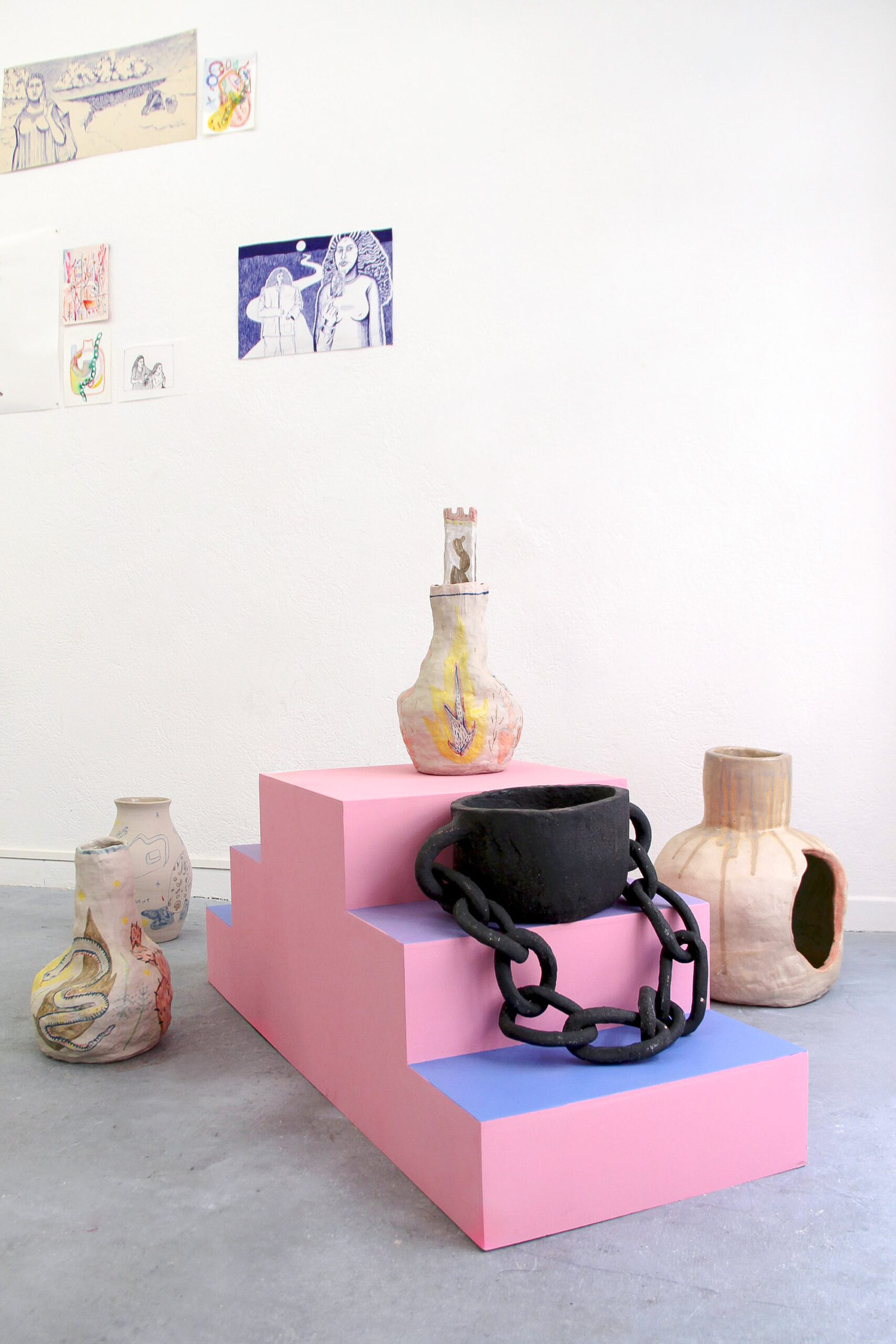
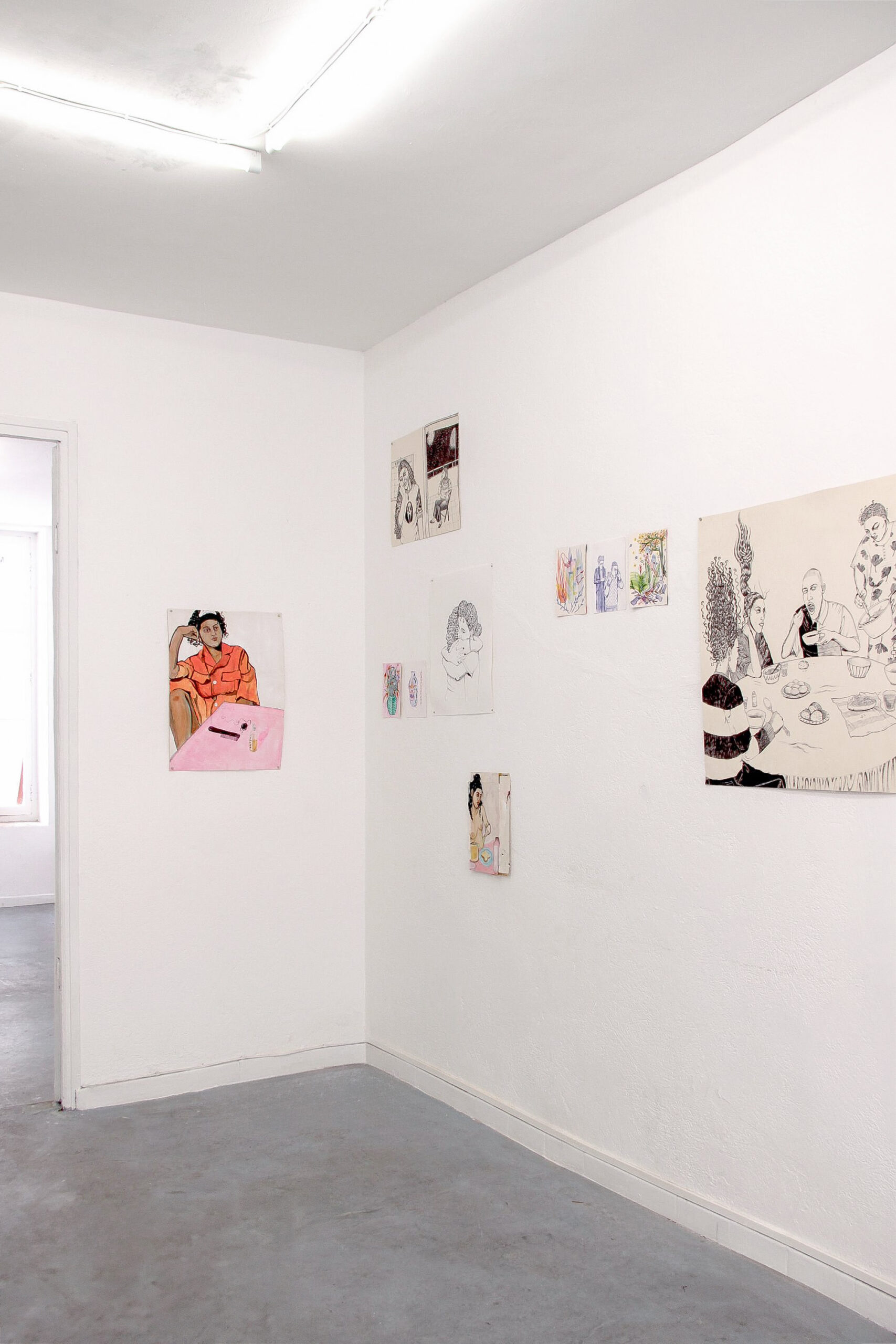

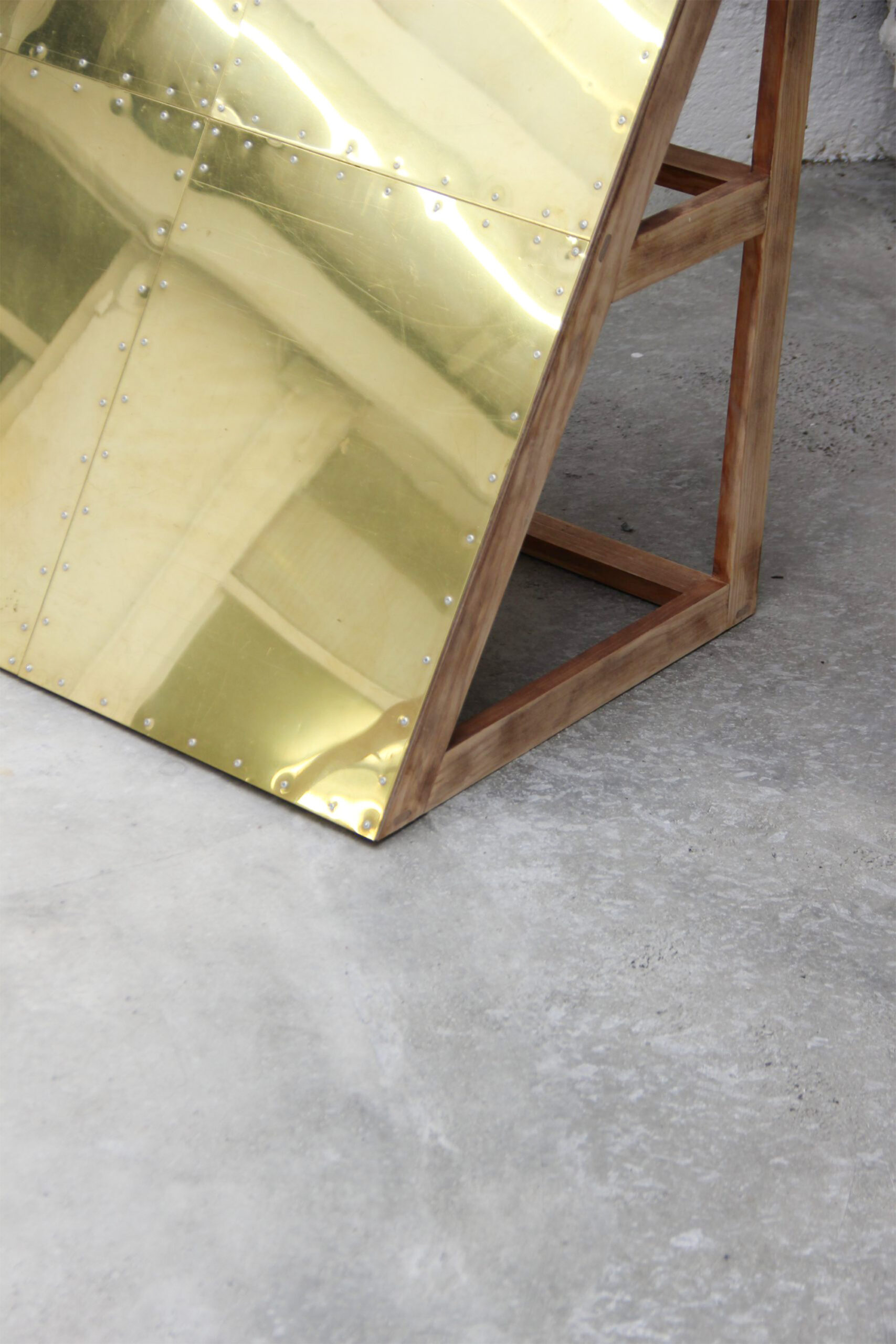
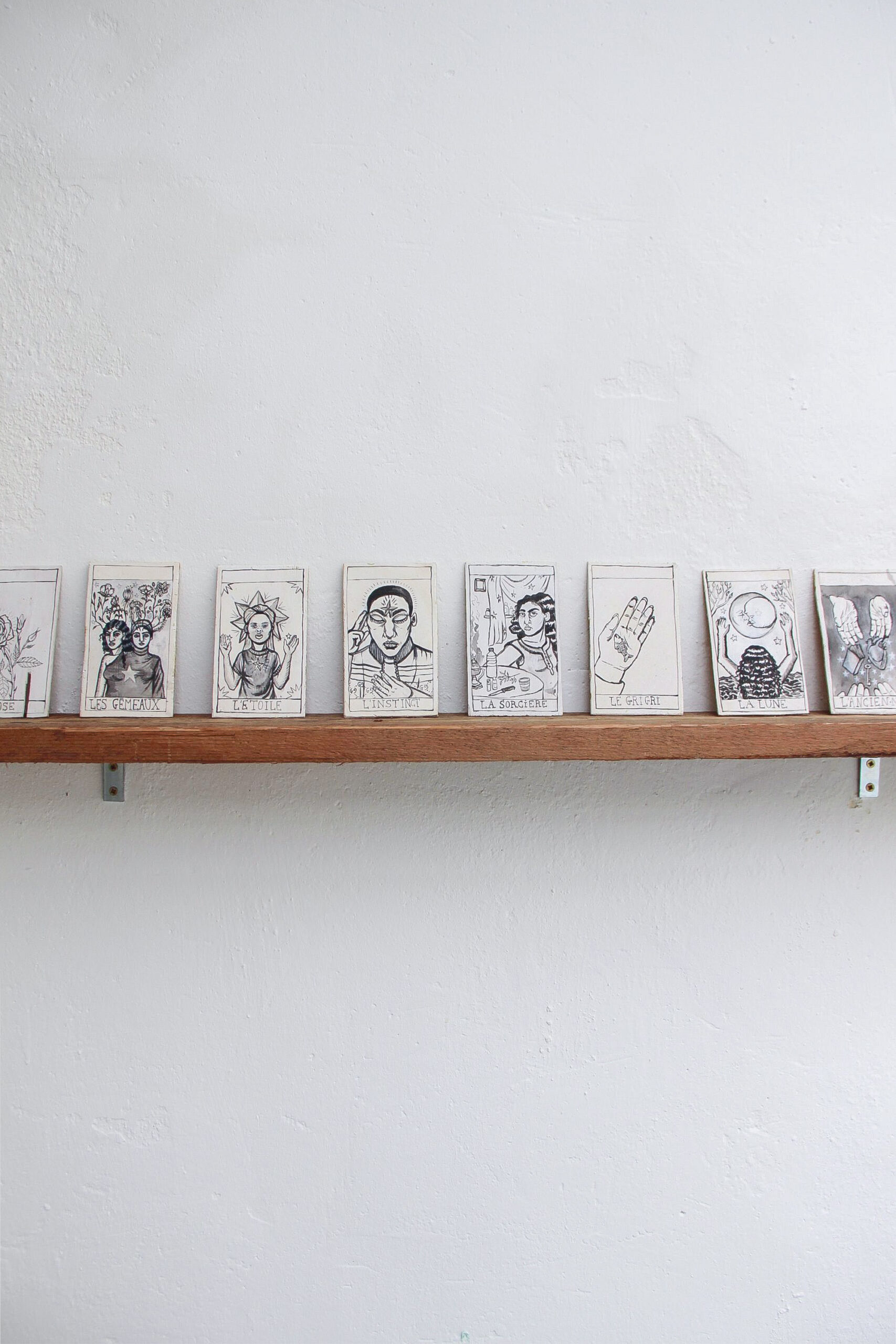
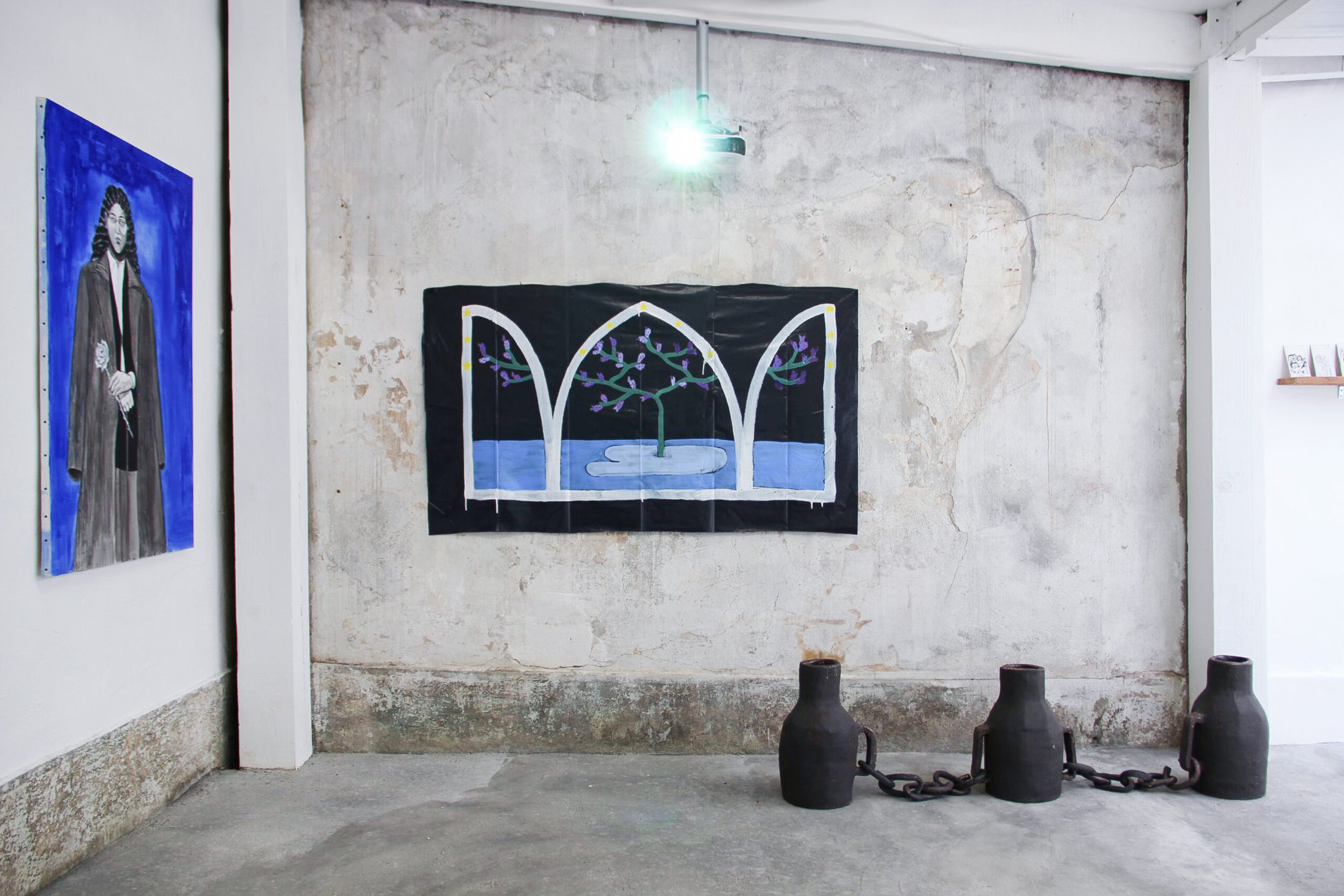
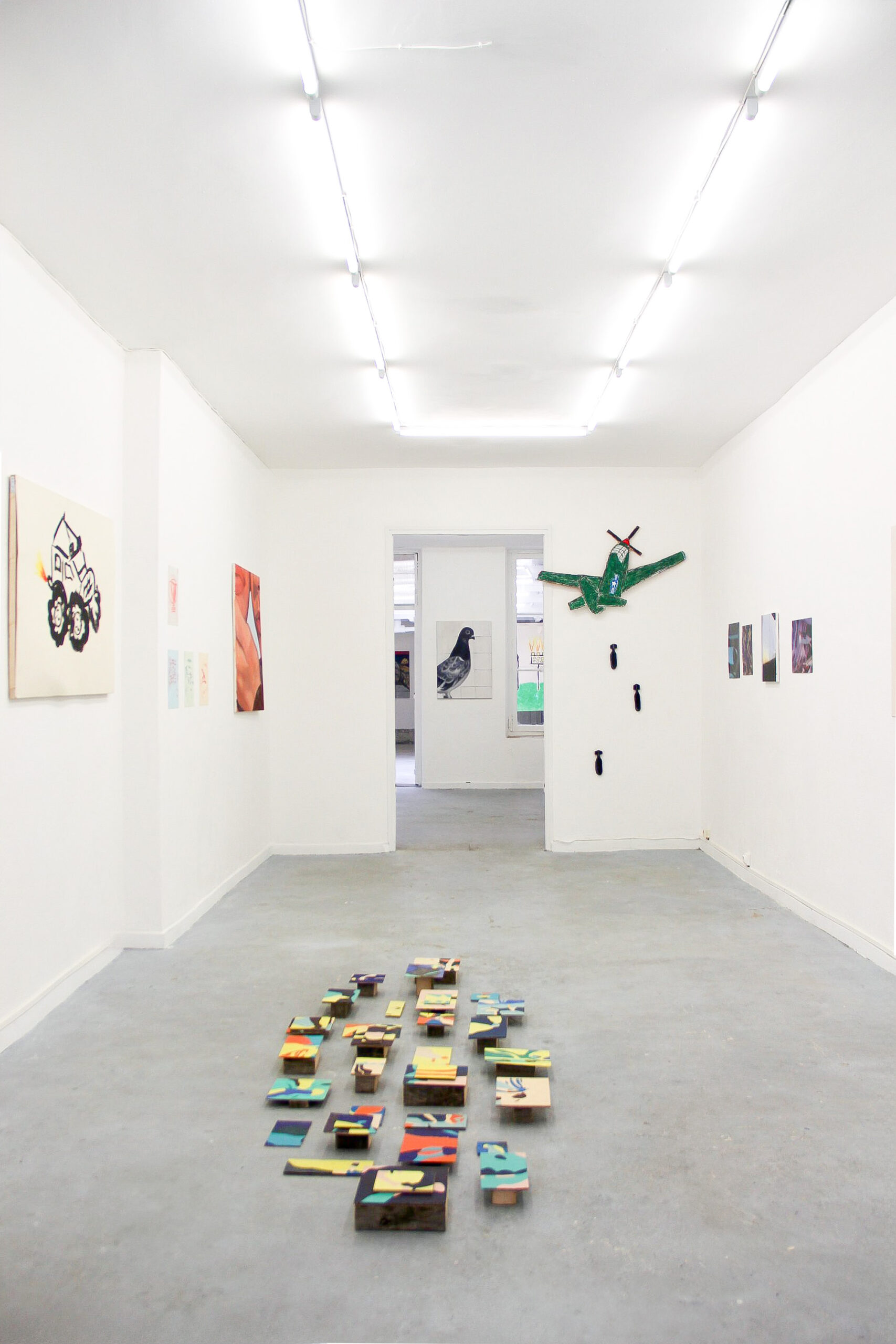
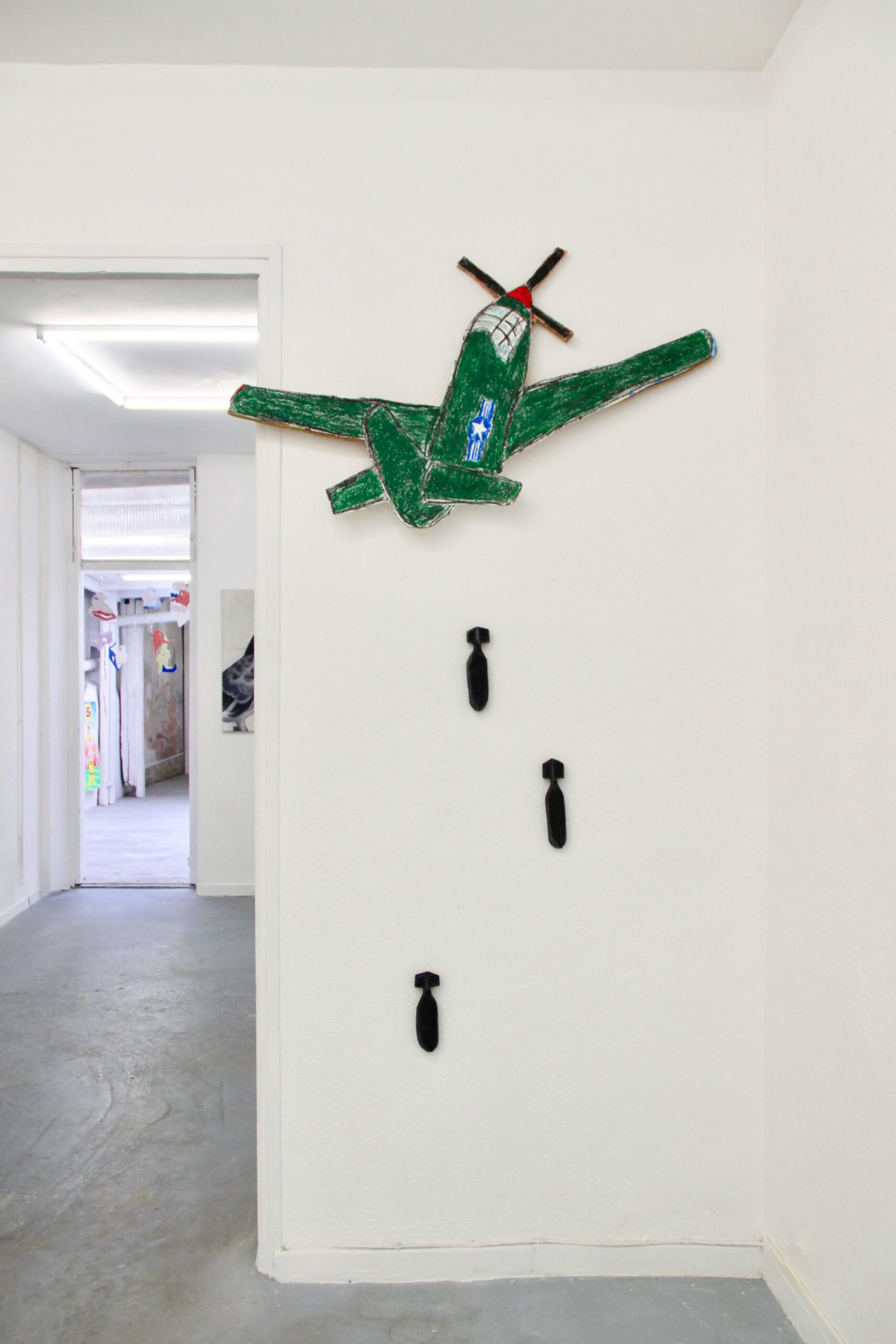
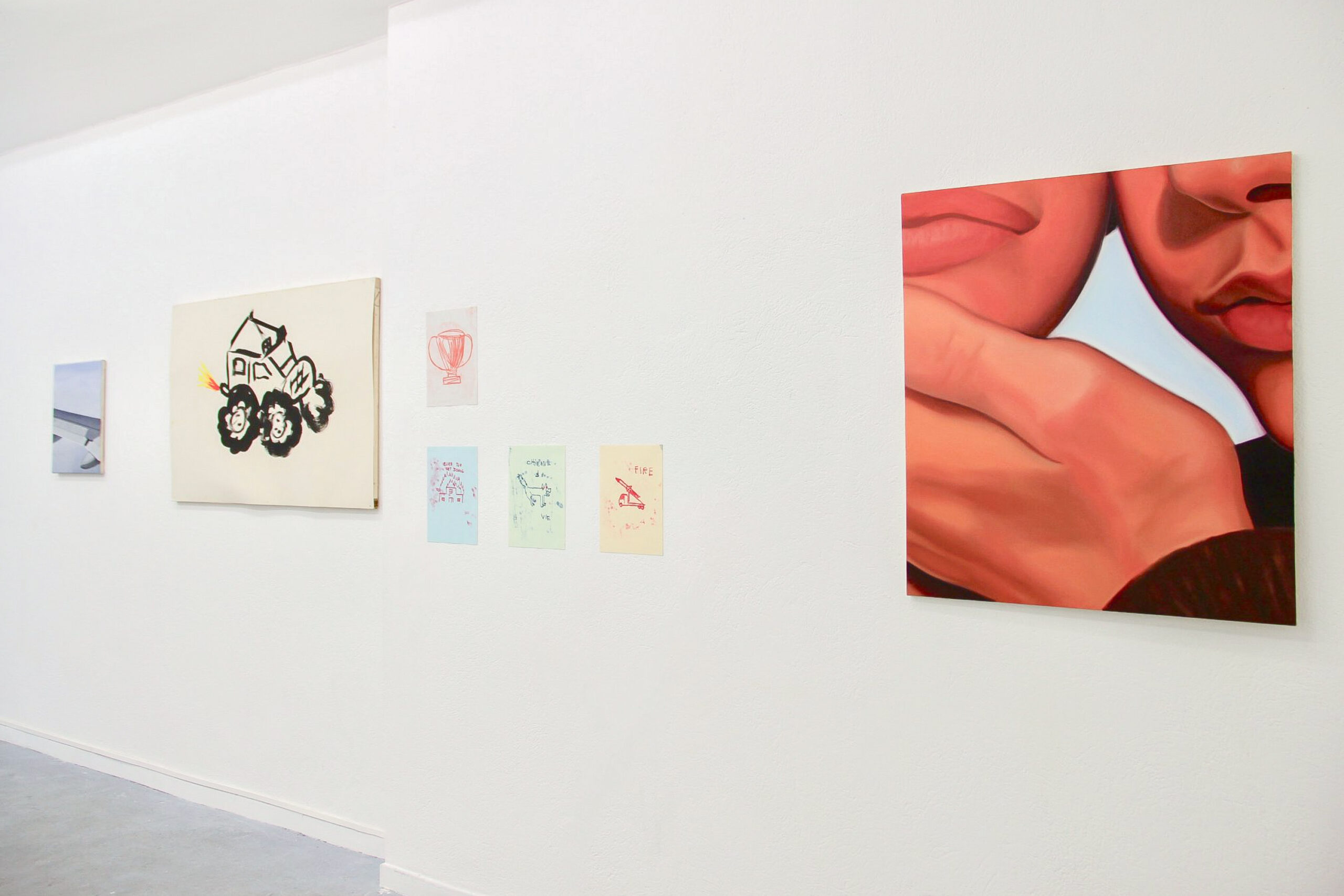
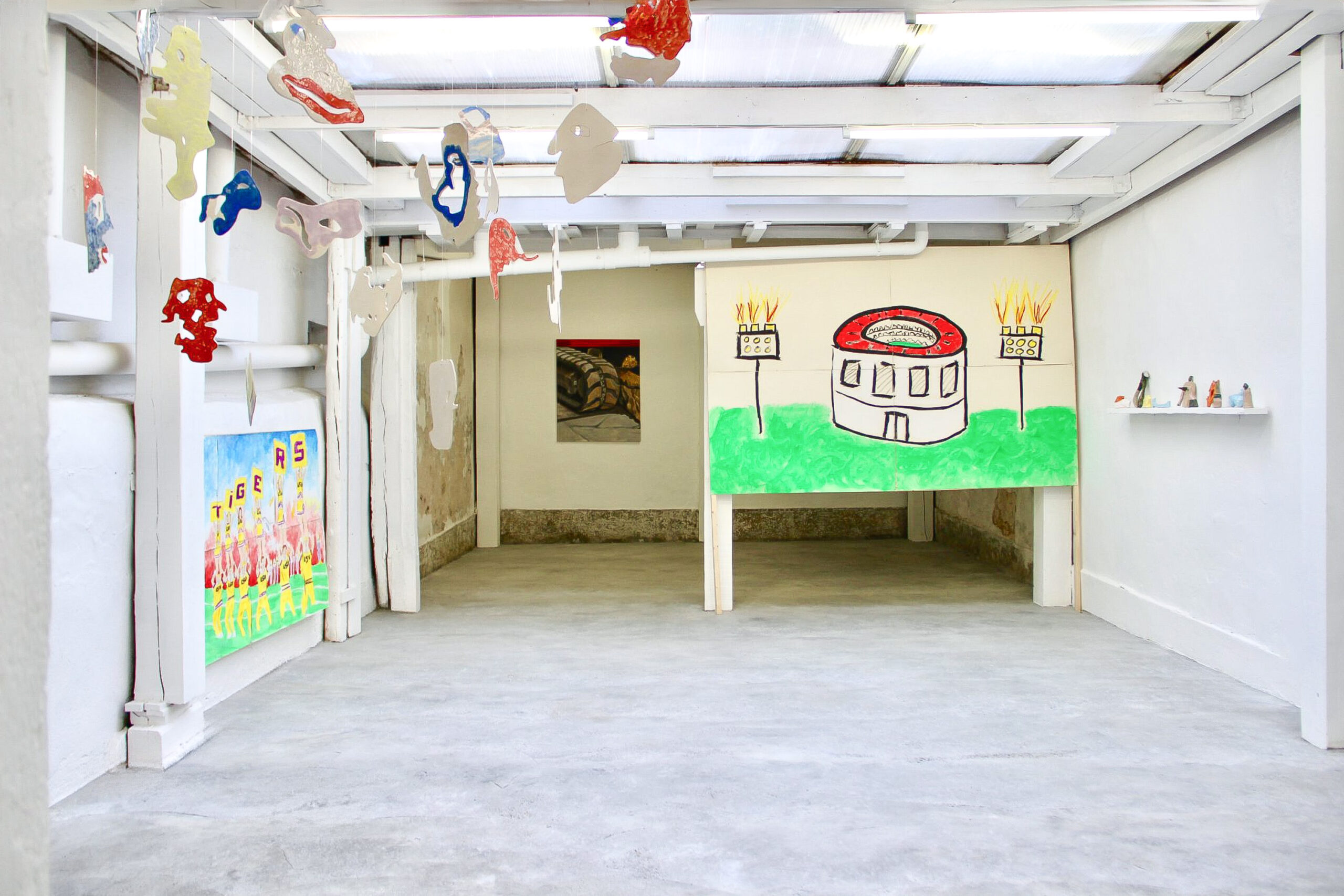
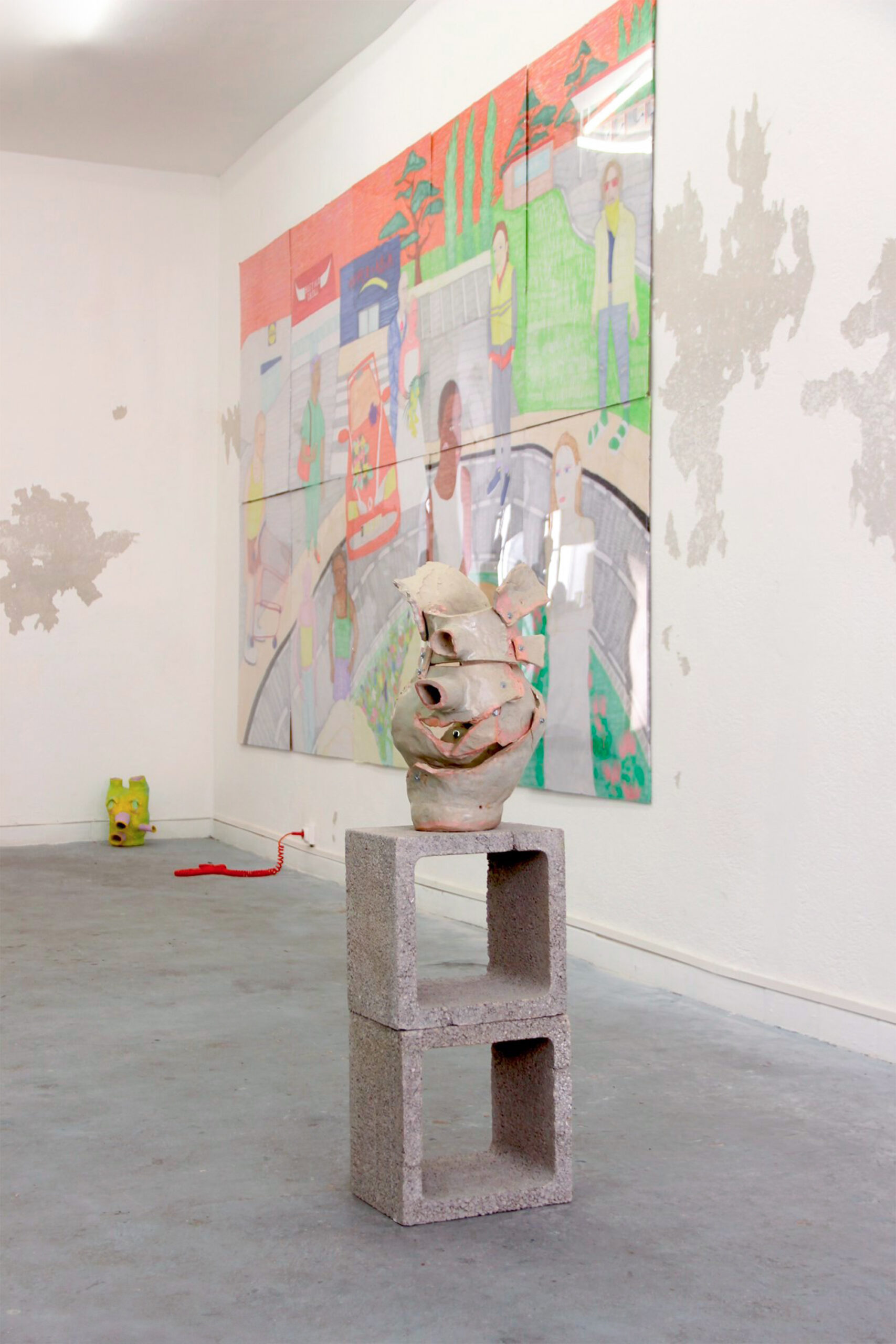
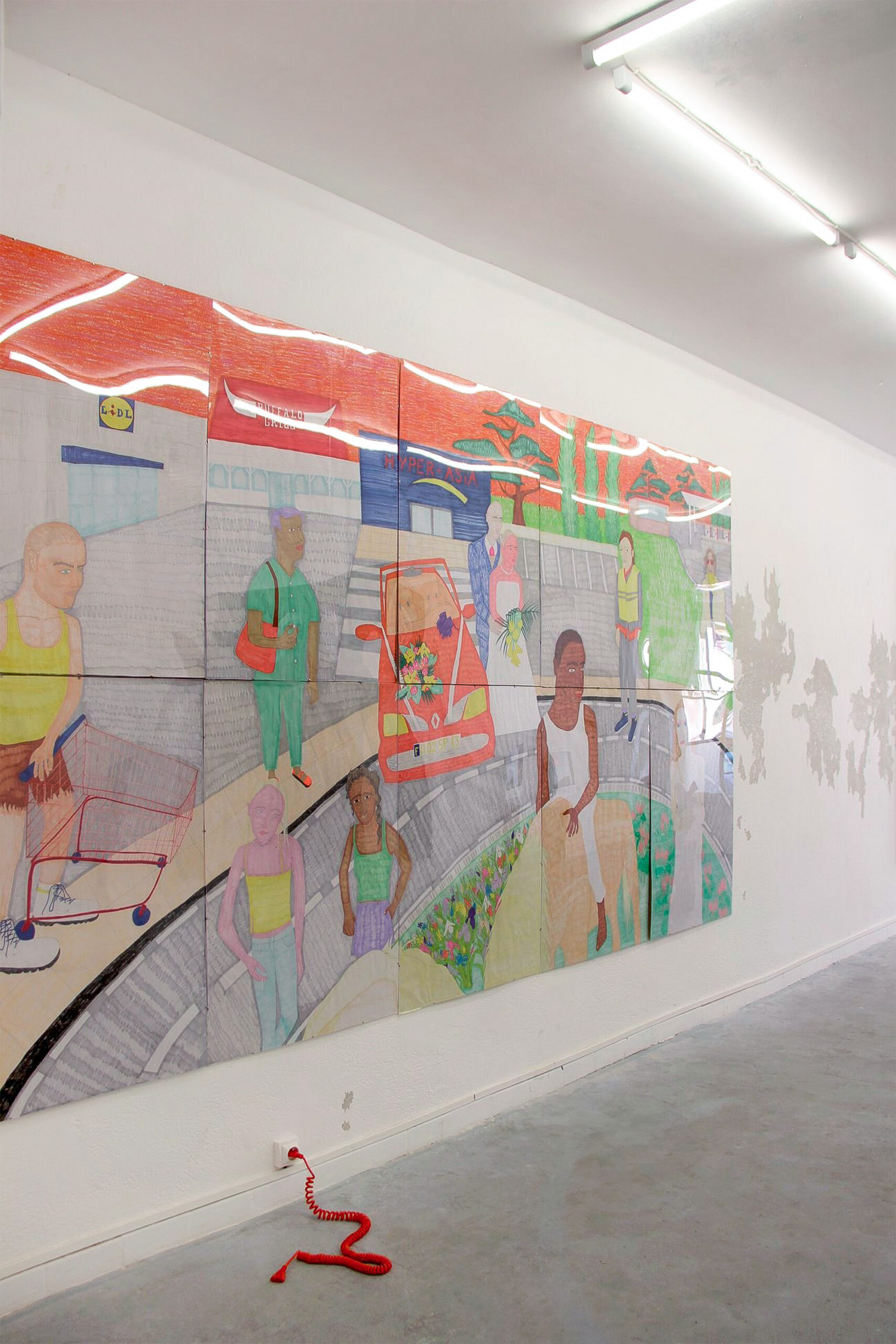
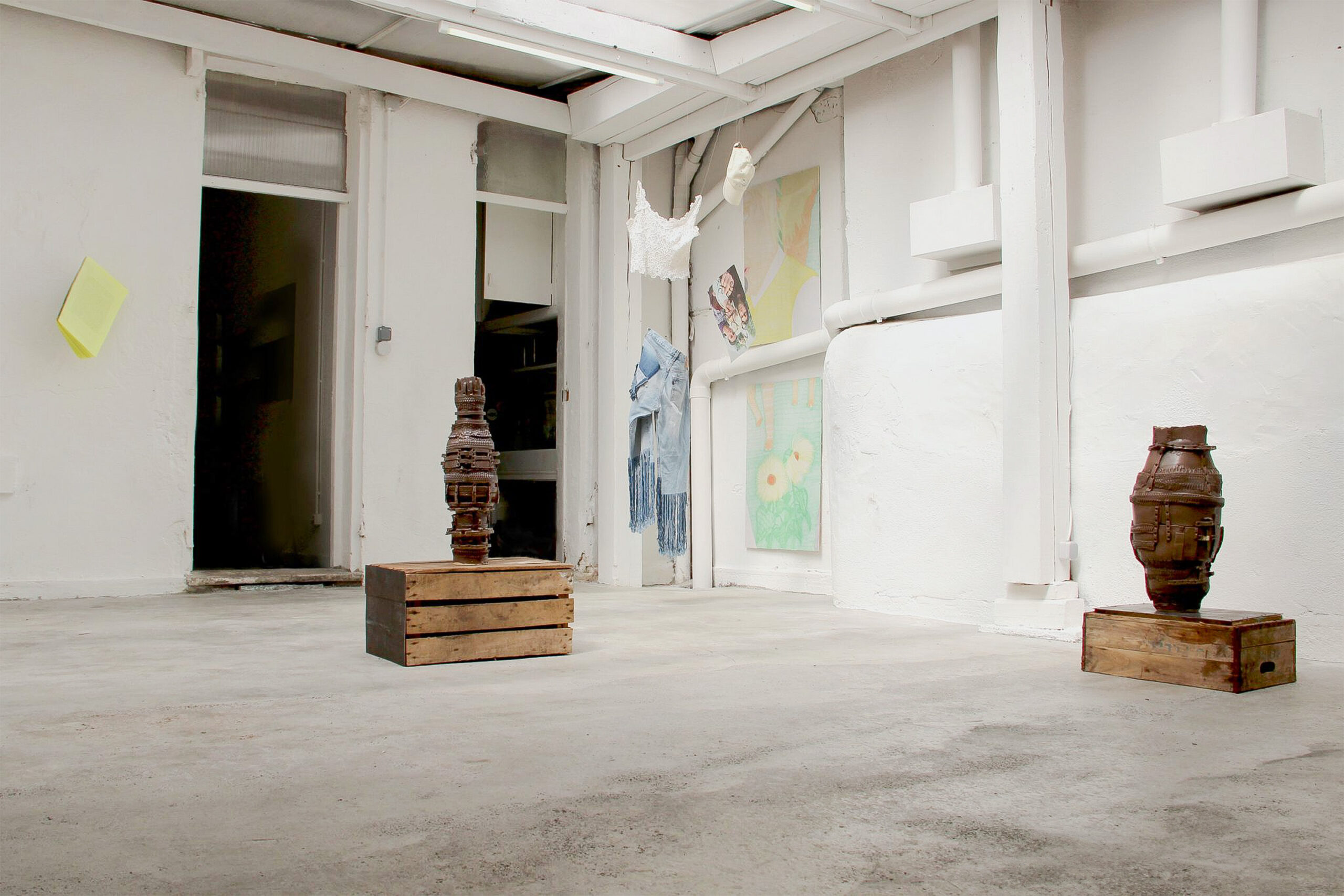
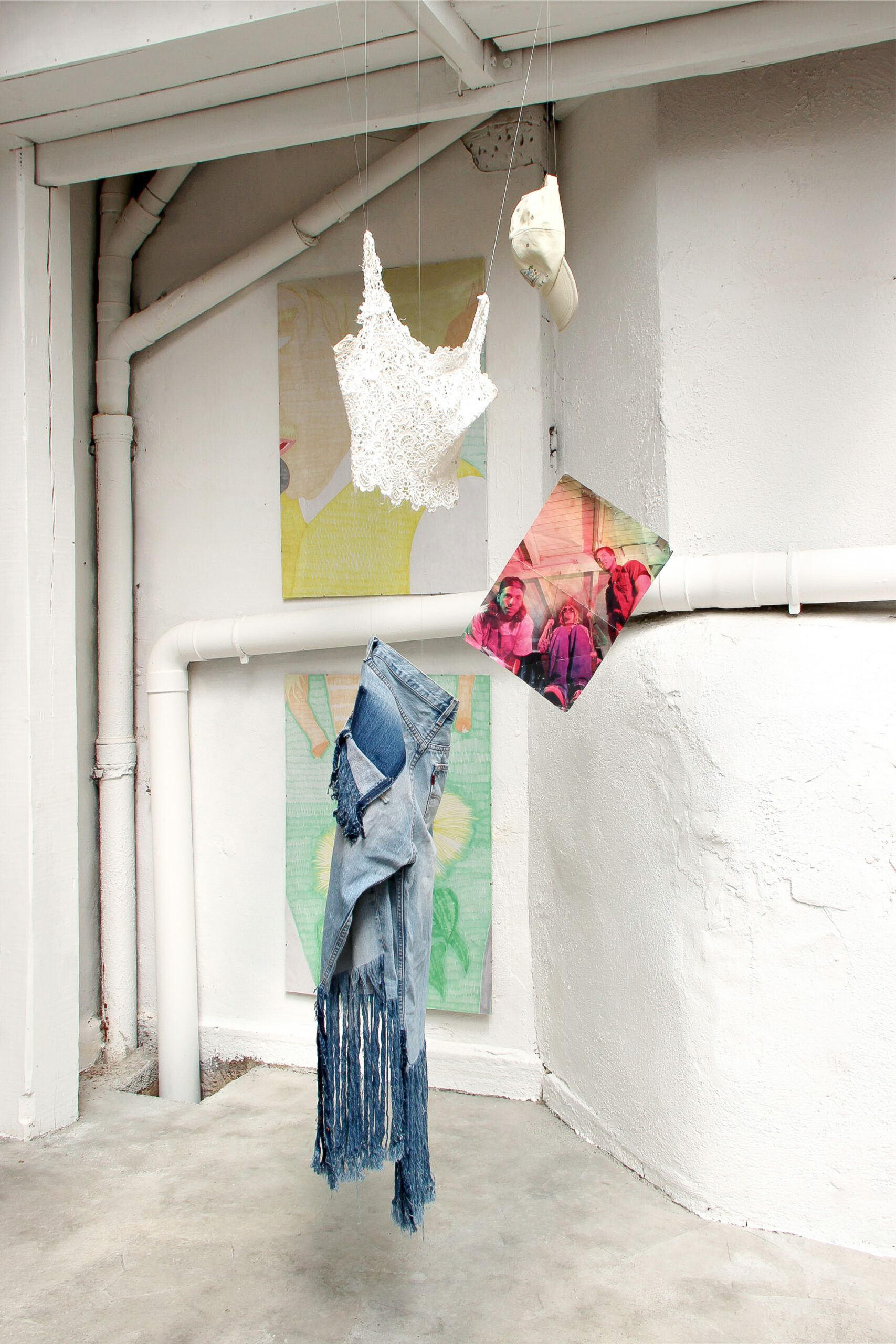
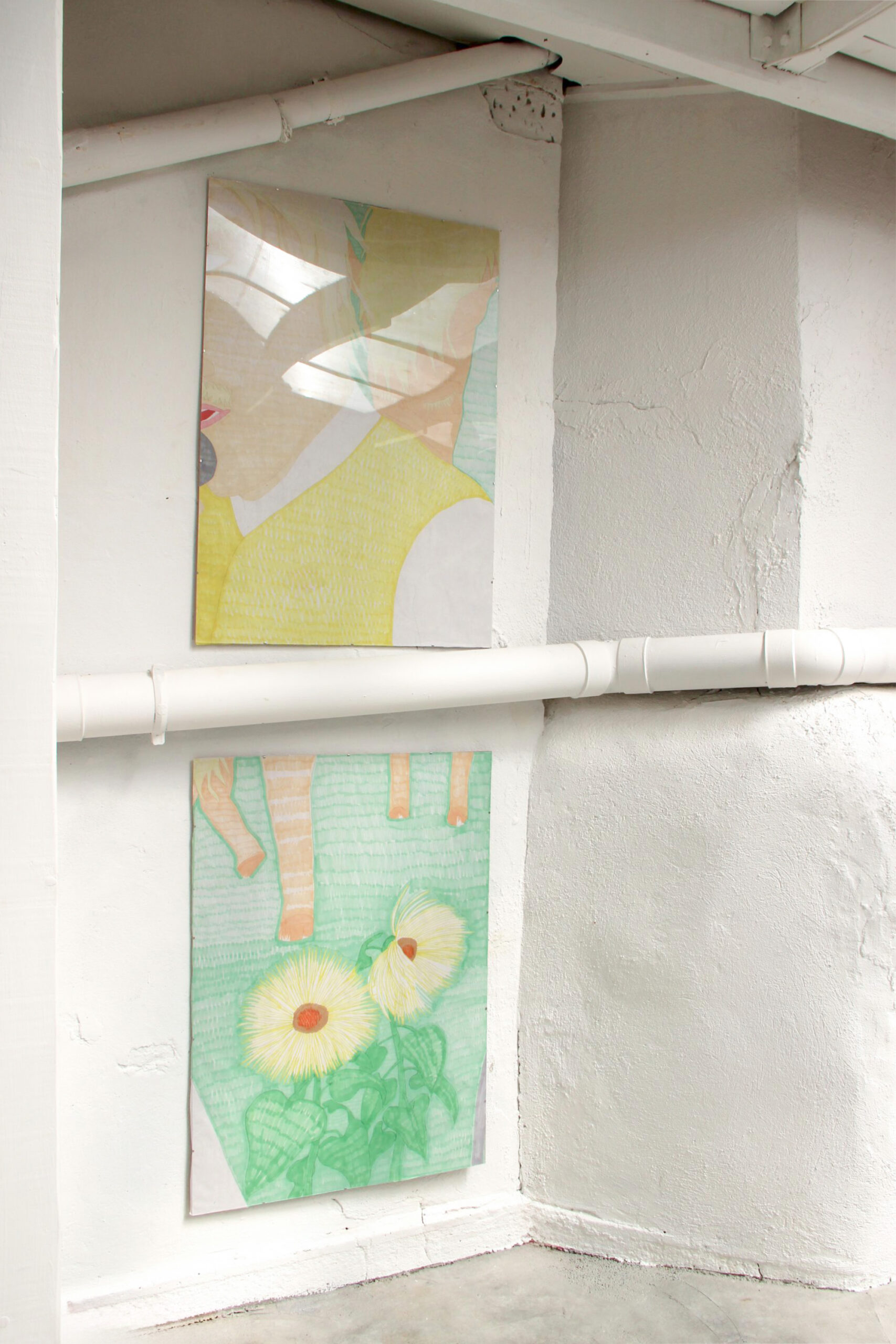
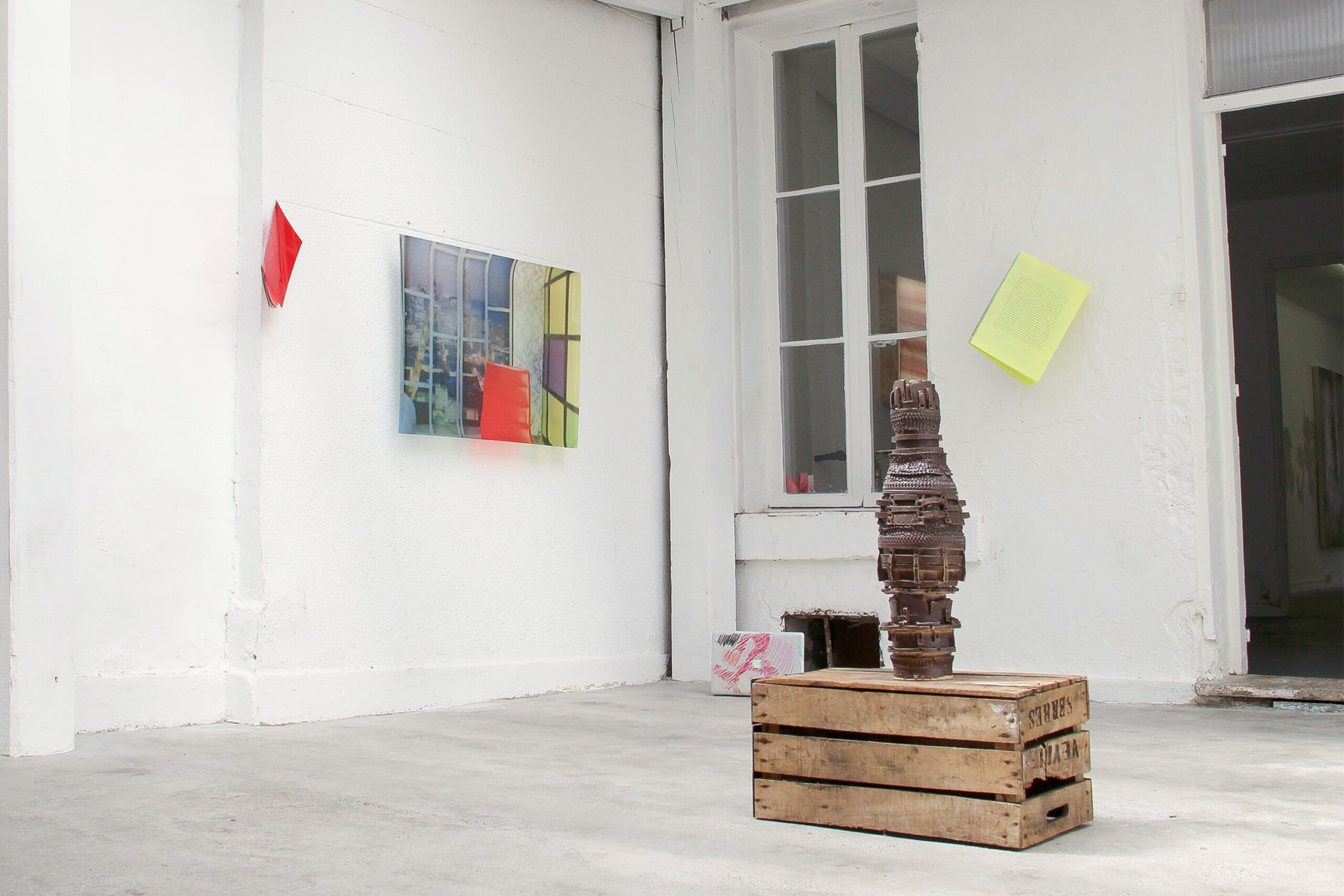
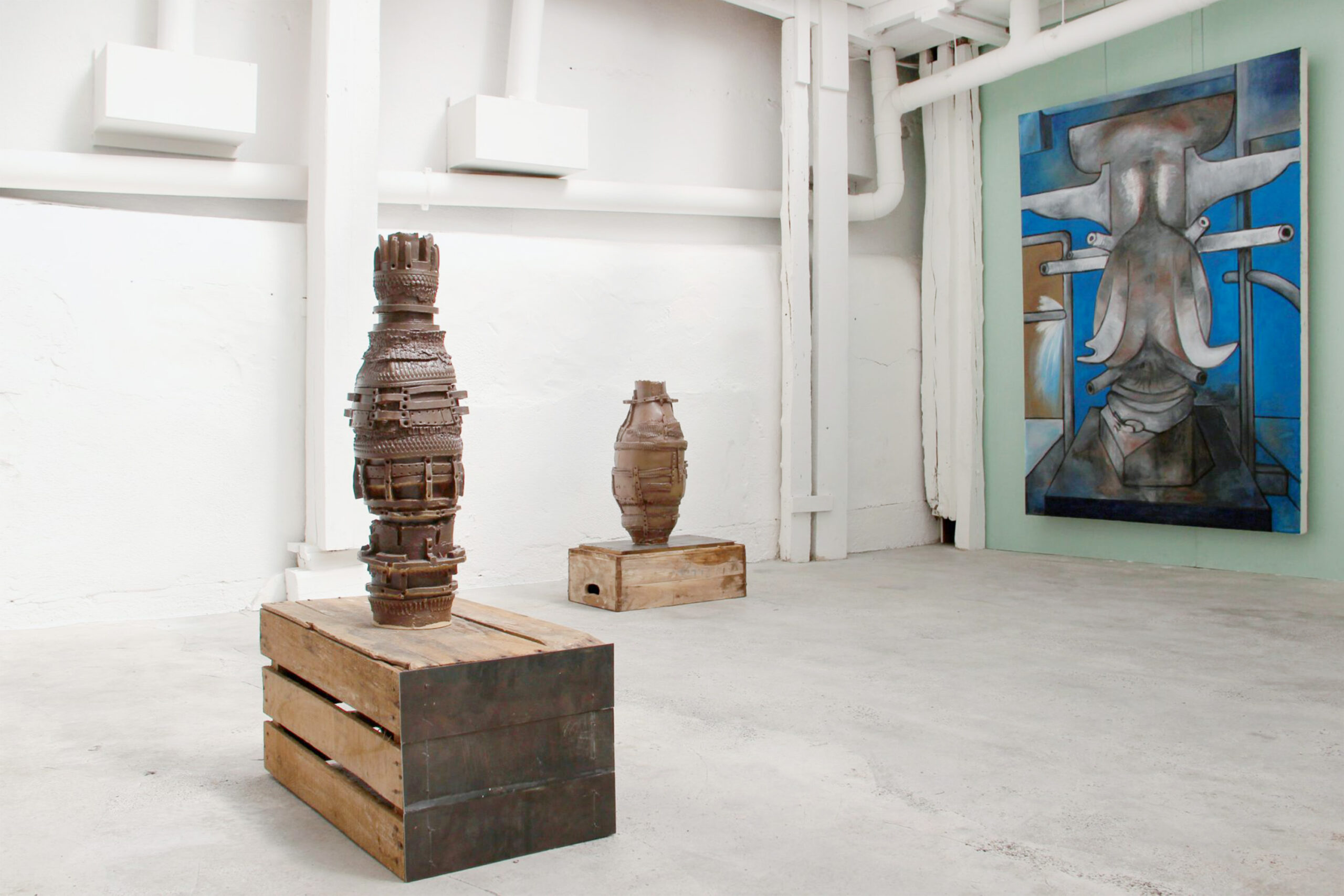
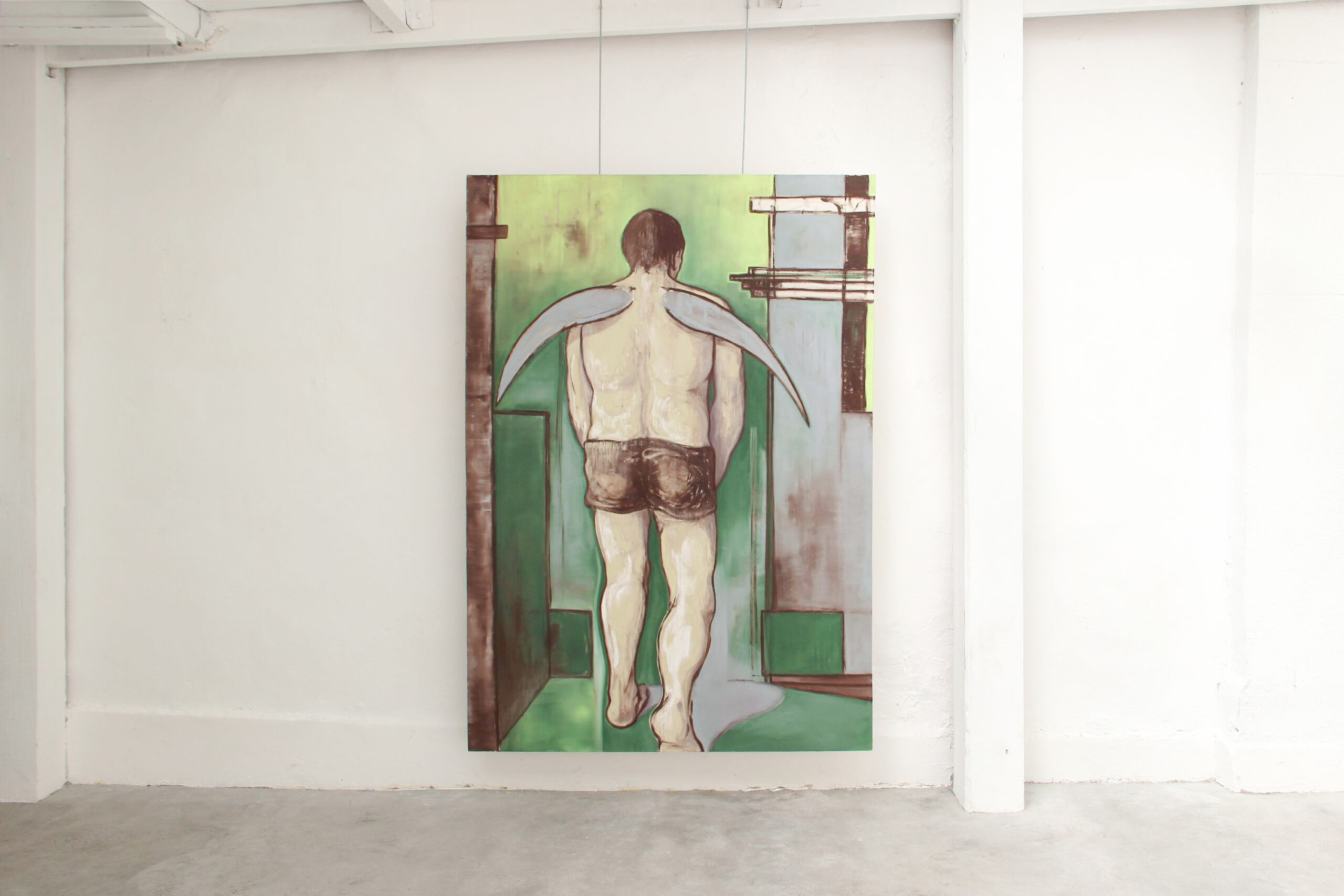
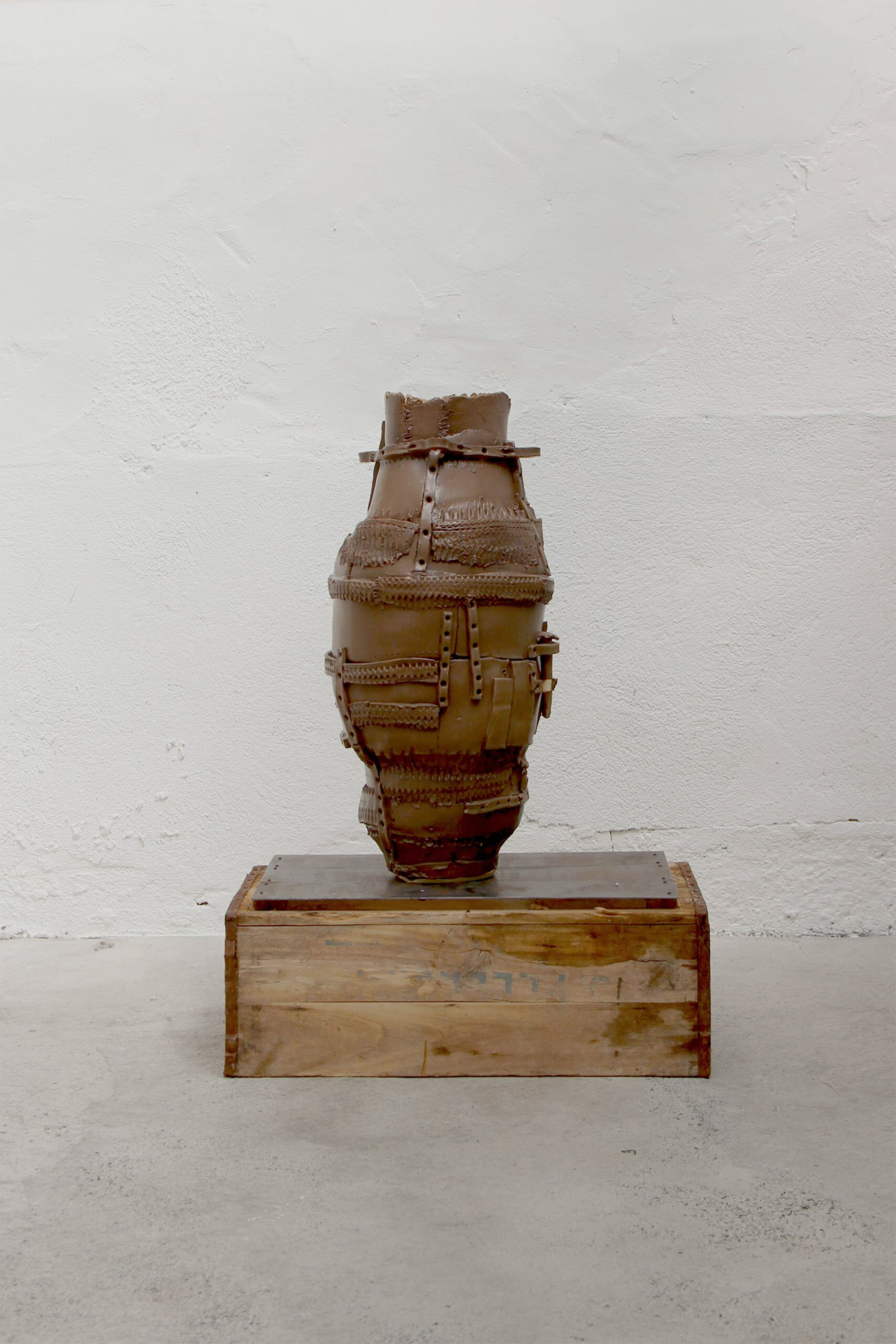
First Sight is the inaugural exhibition of sissi club. It brings together the work of eight artists from the École des Beaux-Arts de Marseille. The works of Neïla Czermak Ichti, Léna Gayaud, and Alexandre Lazo-Guillemette, through their media, techniques, and forms of representation, refer back to the original meaning of “pop,” as in popular culture. By engaging with forms of creation often considered minor, they invite a reconsideration of hierarchies of class, knowledge, culture, and gender. From craft to witchcraft, they reassess manual labor, the transmission of skills, and the perpetuation of traditions within the intimate sphere of the family. To assert the importance of what is usually relegated to the background is to affirm a constant duality—a social power dynamic. To affirm a dichotomy of beauty is to resist homogenization from above. From carpentry to potion-making, they bring to the forefront what is usually constructed out of sight.
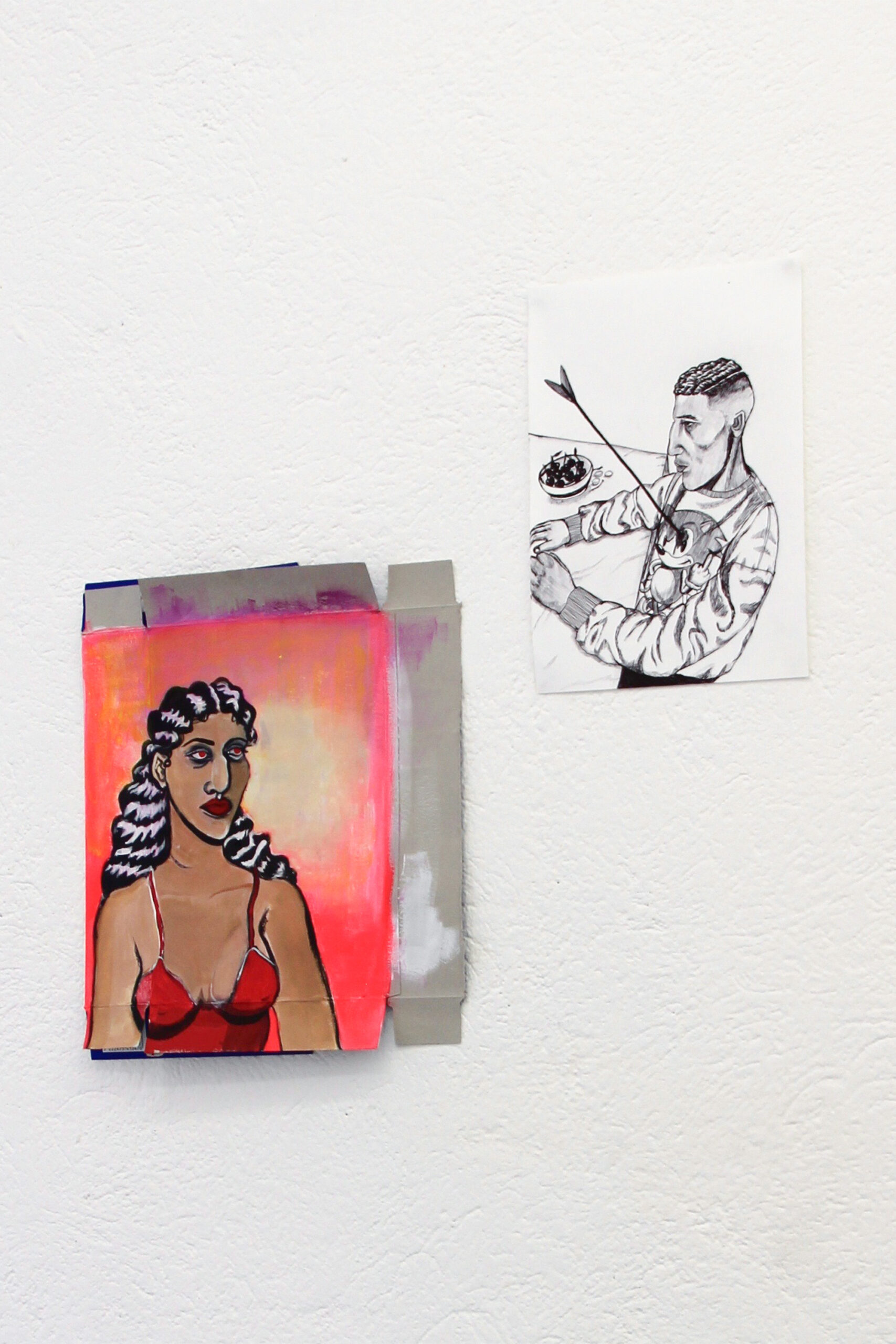
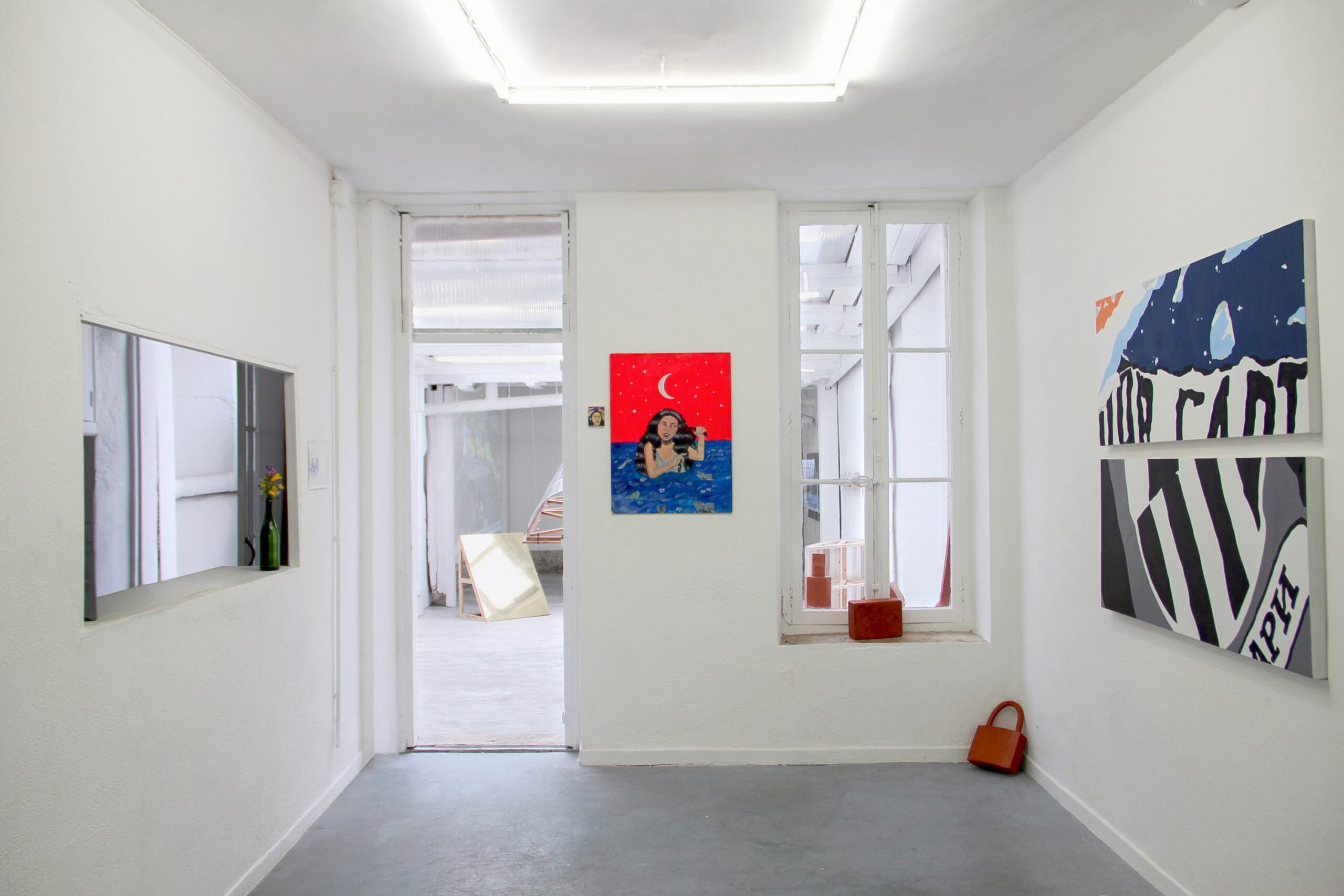
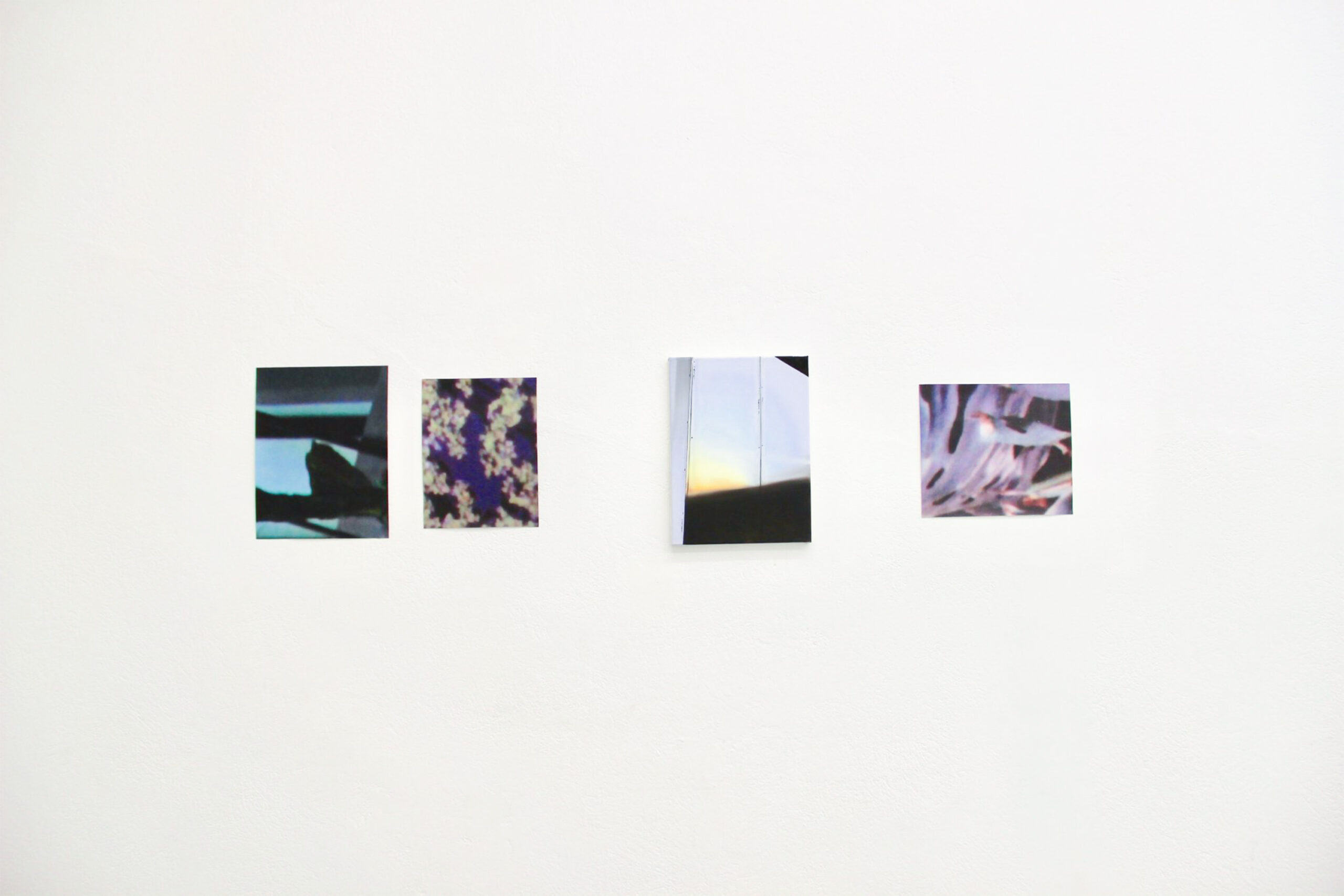
In a relationship with reality that is both complicit and critical, the works of Lola Cullado, Rémy Bourakba, and Juliette Coutaudier compile prosaic, everyday images used as the primary source of their creations. Television shows, anecdotal photographs, viral information, and even pornographic videos are diverted from their original meaning through naïve aesthetics, episodic framing, or processes of fragmentation. Their figurative works sometimes verge on abstraction, highlighting the absurd and unusual aspects of representation.
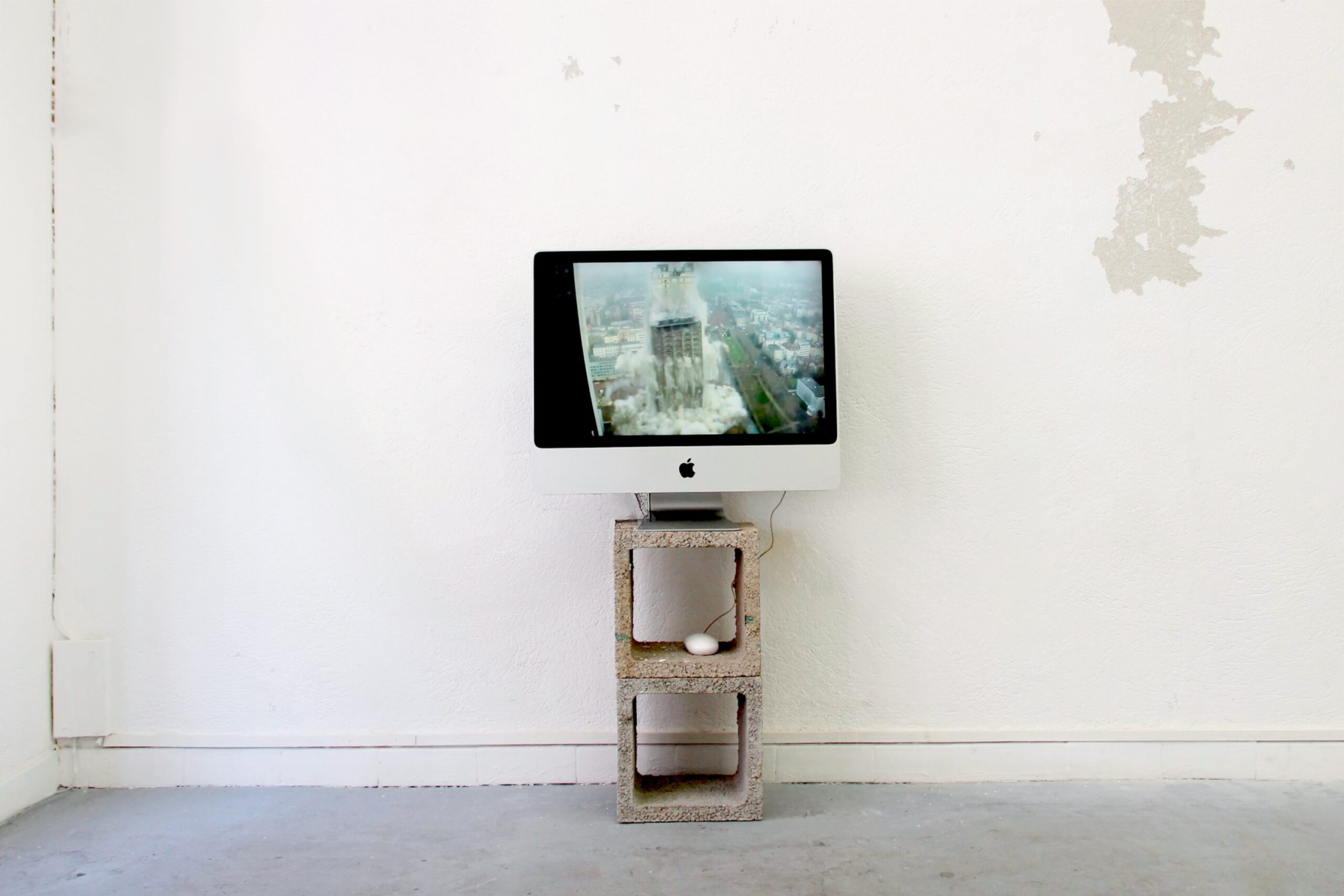
Buildings collapse and columns rise. The works of Emil David and Alexis Liger share a common subject: ruins and remnants, the scars of a world in decline. Dark and melancholic, these works bear witness to a new mal du siècle, flirting with Romantic thought and sacrificing a certain idea of progress in the arts. Through the recycling of visual elements and drawing from a 2.0 iconography, they contribute to the invention of a new aesthetic in which waste and debris are foregrounded as symbols of our era, in an eschatological projection.